Background
In order to rapidly improve the health status of the people en masse, the Government of Bangladesh has been implementing a comprehensive package of reforms in the Health and Population Sector. The magnitude of health services to be devoted per person has been increased, and the measures have been proposed to drastically enhance the quality of services. Implementation of new plan requires huge amount of resources for the sector, the only way to increase the coverage and improve the quality of services is to intensively utilize the existing facilities and allocate the resources to the sectoral activities more efficiently. Increased allocative efficiency of resources requires, on the other hand, imparting training in health economics to the managers and professionals of the sector and carrying out research on health economic issues.
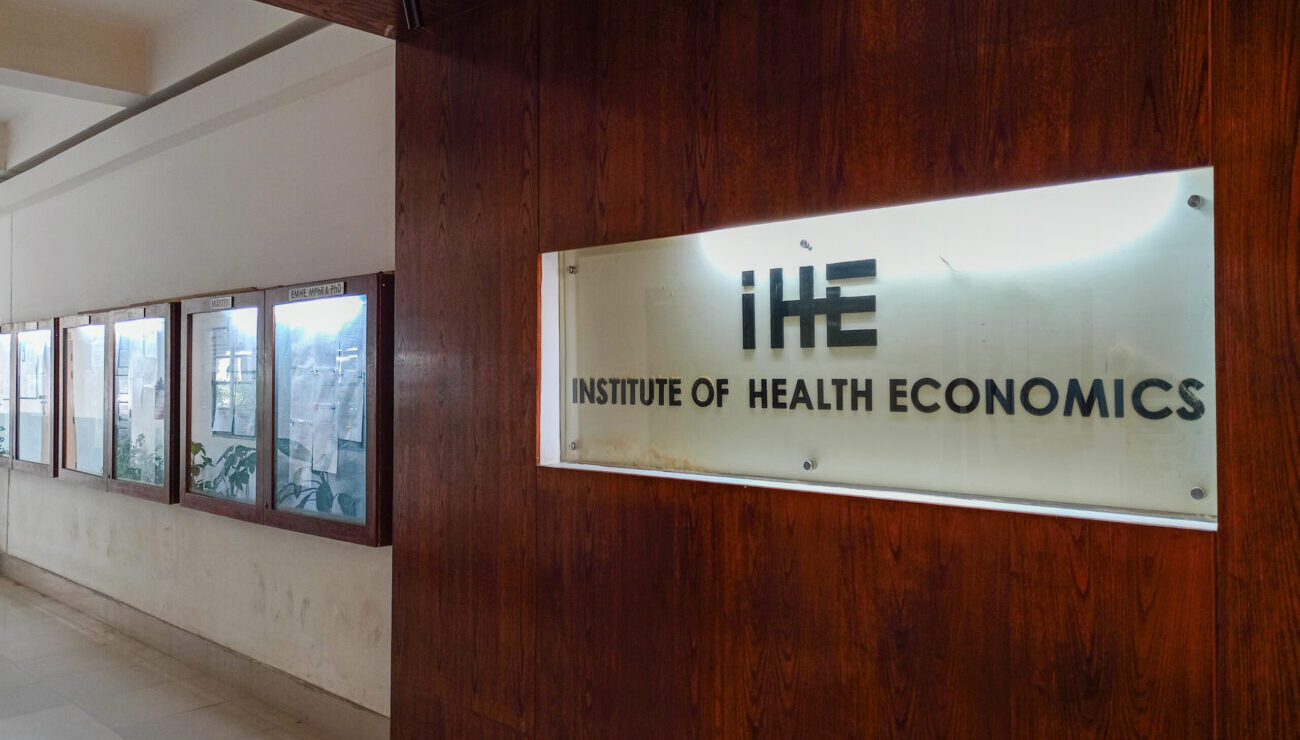
The Government has increasingly felt the need for training of the personnel of the sector and conducting research in health economics and started sending officials abroad to study health economics. It later became evident that the cost of overseas training of each person is so high that the government will not be able to train the required number of personnel using the small amount of funds received from the donors. In such a situation, the Ministry of Health and Family Welfare (MOHFW) approached the University of Dhaka to establish an Institute to offer post-graduate degrees and conduct training programmes in Health Economics and carry out research on health economic issues. As a result, the Institute of Health Economics (IHE) was established in the University of Dhaka in July 1998 with the financial support of the Department for International Development (DFID), and the University of Dhaka. Currently, IHE offers full range of academic programmes: B.S.S., M.S.S., M.Phil., PhD in Health Economics. Moreover, it is carrying extensive research activities in the field of Health Economics.